Loading...
Serving Dublin, CA and surrounding areas. (925) 468-2731
When a machine breaks down or needs to move between job sites, the wrong carrier or crew can damage equipment worth far more than the tow - we match the right rig to your load and handle the permits.
Heavy equipment and machinery towing in Dublin means moving large, often non-running machines - excavators, bulldozers, compactors, forklifts, and other industrial or construction equipment - using carriers and operators specifically rated for the weight class, with permits handled for any oversized load that travels on public roads.
This is not the same work as towing a passenger car or even a semi-truck. The carrier has to match the machine's weight and dimensions, the crew needs experience with rigging and load securement, and any move on California roads that exceeds standard size or weight limits requires permits coordinated with Caltrans and, depending on the route, local jurisdictions. If you are also looking for a provider to handle breakdowns across your regular vehicle fleet, we offer full roadside assistance for drivers of lighter vehicles as well.
The most common mistake in this category is using the wrong equipment for the job. A crew that shows up with an undersized carrier or skips the pre-move inspection is a warning sign - one bad load can damage machinery worth far more than the tow itself.
An excavator, skid steer, or compactor that stops running cannot be left in place indefinitely - it blocks work and sits exposed to weather and theft risk. Attempting to move it with the wrong equipment risks further damage and can compromise the safety of everyone on the site. The right move is a qualified crew with the correct carrier.
A machine that has slid into a trench, tipped on soft or uneven ground, or become mired in mud at a Tri-Valley job site requires recovery, not just transport. A recovery crew needs proper rigging, winching capability, and a plan developed before anything moves. Trying to yank a stuck machine with the wrong rig can damage both the machine and the carrier.
As projects start and finish across Dublin, Pleasanton, and Livermore, equipment needs to move on a schedule. An unreliable hauler that shows up late or with the wrong carrier delays your project and costs your crew time. Establishing a relationship with a qualified heavy hauler before you need one prevents those scrambles.
Any machine that exceeds California's standard legal dimensions or weight limits on public roads requires permits before it moves. Attempting to haul an oversized or overweight load without permits risks fines, forced stops, and liability if something goes wrong. A qualified provider handles the permit process so you do not have to.
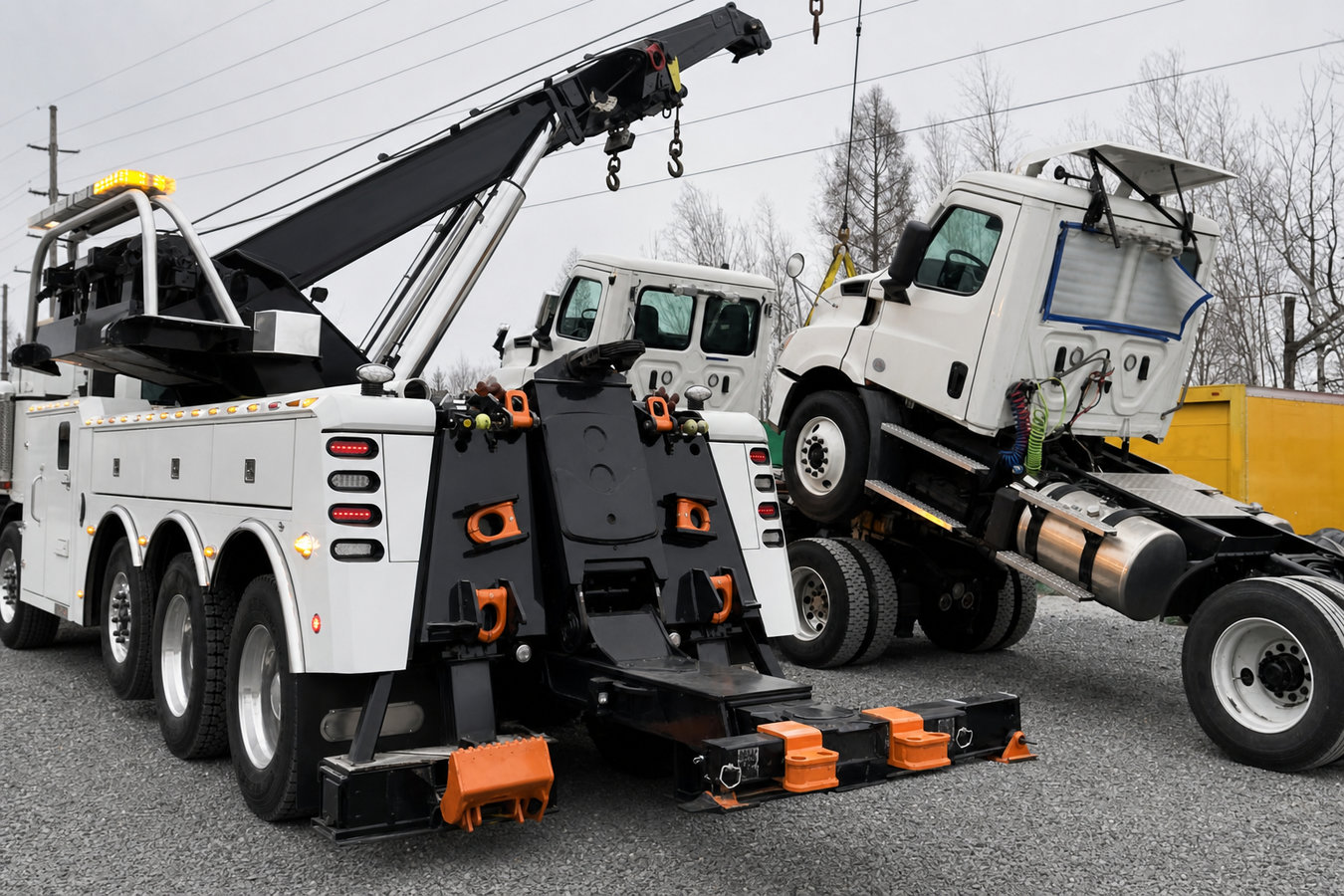
We handle the full range of heavy equipment and machinery moves that construction companies, contractors, and industrial operators in the Tri-Valley encounter. When you call, dispatch will ask for your machine type, approximate weight and dimensions, current location and condition, and the destination. That information determines which carrier is assigned - a lowboy trailer, a heavy-duty flatbed, or another specialized rig - and whether the route requires permits from Caltrans or other authorities before the move can begin. For situations where a machine is stuck or tipped rather than simply needing transport, we also handle full heavy duty towing and recovery using rigging, winches, and properly rated equipment for the weight class.
Before anything moves, the crew inspects the machine's condition and position, confirms the loading approach, and documents the equipment's state. The machine is secured with chains, binders, and blocking rated for the load - a professional crew will not move until the load is properly secured. At the destination, the crew off-loads safely and walks you through the final condition of the equipment. For contractors and fleet operators who want a provider on call before the next breakdown, establishing that relationship now means faster response and a crew already familiar with your equipment types.
Suited for excavators, bulldozers, graders, and compactors moving between job sites or to a repair facility in the Tri-Valley.
Suited for machines that have become mired in soft ground, slid into a trench, or tipped on uneven terrain at a Dublin-area job site.
Suited for any load exceeding California's standard road limits, with permit coordination handled before the move begins.
Suited for warehouses and logistics operations in the Dublin area that need to relocate forklifts, industrial equipment, or large vehicles between facilities.
Dublin sits at the junction of I-580 and I-680, two of the busiest freight and commuter corridors in the East Bay - and both are common routes for heavy equipment hauls moving through or out of the Tri-Valley. The area has also seen sustained commercial and residential development, meaning construction equipment moves in and out of active job sites regularly. A hauler who already knows the active project zones, site-access constraints, and the quirks of local arterials can navigate those moves more efficiently than one dispatching from outside the area. We regularly handle moves throughout Pleasanton, CA and the broader Tri-Valley, where many of the region's active construction projects are concentrated.
Loads heading east from Dublin must cross the Altamont Pass on I-580, a significant grade that affects how heavy loads are secured and how carefully they must be managed on both the climb and the descent. A hauler who knows this corridor plans the route and the securing strategy accordingly, rather than treating it as a standard flat-road haul. Oversize and overweight loads also face real route restrictions in Alameda County - certain roads and bridges are weight-restricted, and some loads require escort vehicles. We serve Livermore, CA east along the I-580 corridor, so your equipment is covered on the full run from Dublin through to the Valley.
The California Department of Transportation (Caltrans) administers the oversize and overweight permit process for loads traveling California public roads - a qualified heavy hauler handles this coordination on your behalf.
When you call, dispatch asks for the machine type, approximate weight and dimensions, current location and condition, and the destination. The more detail you can provide - whether it runs, whether it is on level ground, whether there are site-access restrictions - the faster the right crew and carrier can be assigned. We respond to account inquiries within one business day.
Based on what you have described, dispatch selects the correct carrier - a lowboy, heavy-duty flatbed, or specialized rig - and assigns operators qualified for the weight class. If the load requires oversize or overweight permits for the route, the company begins that process, which may add some lead time before the move can start.
The crew arrives, assesses the machine's condition and position, and documents its state before loading begins. They confirm the safest loading approach and, if the machine is stuck or tipped, develop a recovery plan before rigging. The machine is then secured with chains, binders, and blocking rated for the load - nothing moves until the load is properly set.
The hauler follows the permitted route, managing speed and timing carefully on grades like the Altamont Pass or through congested sections of I-580 and I-680. At the destination, the crew off-loads safely and confirms the equipment's condition with you before leaving. Any questions about the move are answered on the spot.
Tell us about your machine and your timeline. We cover Dublin and the entire Tri-Valley with the right carriers and permit expertise - no surprises on cost.
(925) 468-2731We confirm your machine's weight and dimensions before dispatching so the right carrier shows up the first time - a lowboy for large construction equipment, a heavy-duty flatbed where appropriate. Sending the wrong rig wastes your time and risks damage to expensive machinery.
Oversize and overweight loads moving through Alameda County and along the I-580 corridor require permits from Caltrans and, depending on the route, coordination with local jurisdictions. We handle that process so the move stays legal and you are not sorting out paperwork while a machine sits idle on your job site.
Loads crossing the Altamont Pass on I-580 face significant grades that require careful load securing and managed speeds on both the climb and descent. A hauler who knows this corridor plans for it - a provider unfamiliar with the grade treats it like flat road, which is how loads shift and equipment gets damaged.
The crew inspects and documents your machine's condition before loading and confirms it again at the destination. If your equipment is a major capital investment - and it almost certainly is - that documentation matters. It is also backed by proper insurance coverage for heavy commercial loads in California.
Contractors and fleet operators who have a trusted heavy hauler on call before an incident spend less time scrambling and more time working. The Towing and Recovery Association of America sets the national professional standards for this industry, and membership signals a commitment to those standards. Establish the relationship now, before the next breakdown - it is one of the most practical things a business running heavy equipment in the Tri-Valley can do.
On-the-spot help for drivers of lighter vehicles - jump-starts, flat tires, lockouts, and fuel delivery across the Tri-Valley.
Learn MoreRecovery and transport for the heaviest vehicles and machines when standard towing equipment is not enough for the job.
Learn MoreThe longer a broken-down machine sits idle on your job site, the more it costs - get a clear quote now and get your crew back to work.